
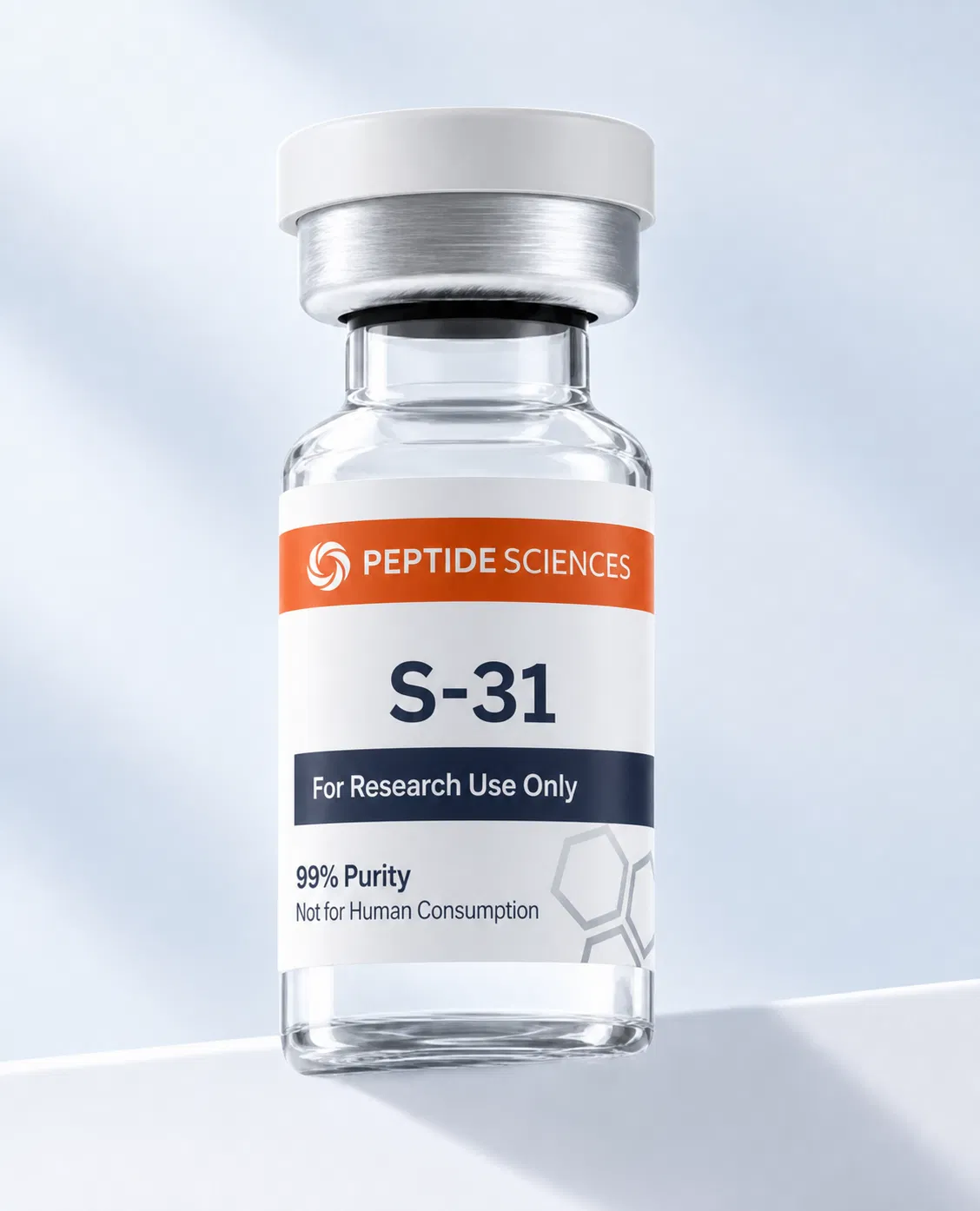
SS-31 Peptide
Price range: $45.00 through $139.00
- SS-31 mitochondrial research tetrapeptide
- Also known as Elamipretide and MTP-131
- Sequence: D-Arg-Dmt-Lys-Phe-NH₂
- Contains 2′,6′-dimethyltyrosine (Dmt)
- Molecular formula: C32H49N9O5
- Molecular weight: approximately 639.80 g/mol
- CAS number: 736992-21-5
- Research focus: cardiolipin, mitochondrial membranes, ATP production and oxidative-stress pathways
- Purity: ≥99% according to supplied specifications
- Testing: HPLC, LC-MS and identity analysis
- Format: Lyophilized research powder
- Supplied in 3mL vial
- Strictly for laboratory and in-vitro research only
SS-31 Peptide – Elamipretide Mitochondrial Research Compound
Introduction to SS-31
SS-31, also known as Elamipretide and MTP-131, is a synthetic mitochondria-targeted tetrapeptide designed for research involving mitochondrial membranes, cardiolipin biology, bioenergetics and oxidative-stress pathways.
Its sequence is:
D-Arg-Dmt-Lys-Phe-NH₂
where Dmt represents the non-standard aromatic amino-acid derivative 2′,6′-dimethyltyrosine.
The amphipathic and cationic properties of SS-31 enable the peptide to associate preferentially with the inner mitochondrial membrane and interact with cardiolipin, a phospholipid that plays a central role in cristae architecture, respiratory-chain organization and mitochondrial bioenergetics.
At USA PEPTIDE SCIENCES, this material is supplied as a high-purity lyophilized compound for controlled mitochondrial and metabolic laboratory research.
SS-31 Peptide Research Overview
The primary scientific interest surrounding the SS-31 peptide involves its interaction with cardiolipin and the inner mitochondrial membrane.
Cardiolipin contributes to:
- Cristae organization
- Respiratory-chain protein assembly
- Cytochrome-c function
- Oxidative phosphorylation
- Membrane electrostatics
- Mitochondrial bioenergetics
Published research indicates that SS-31 interacts with cardiolipin through electrostatic and hydrophobic interactions and can influence membrane organization and mitochondrial protein environments.
This makes the peptide relevant to experiments involving:
- Mitochondrial membrane integrity
- Electron transport chain activity
- ATP synthesis
- Oxidative phosphorylation
- Reactive oxygen species
- Cardiolipin-protein interactions
- Cytochrome-c-associated pathways
- Mitochondrial stress responses
Researchers can review SS-31 peptide and elamipretide mitochondrial research on PubMed for relevant scientific literature.
SS-31 and Cardiolipin Research
Cardiolipin is highly enriched within the inner mitochondrial membrane and helps organize proteins involved in energy production.
SS-31 has been extensively studied as a cardiolipin-binding peptide.
Research suggests that this interaction may influence:
- Inner-membrane organization
- Cristae structure
- Membrane surface electrostatics
- Cardiolipin-dependent protein assembly
- Respiratory-chain efficiency
- Cytochrome-c behavior
Earlier descriptions sometimes characterized Elamipretide mainly as a direct antioxidant.
More recent research supports a broader mechanism centered on mitochondrial membrane and cardiolipin biology rather than simple free-radical scavenging alone.
SS-31 Peptide and ATP Synthesis Research
Mitochondrial ATP synthesis depends on an intact inner membrane and coordinated electron-transport-chain activity.
Laboratories studying SS-31 peptide may investigate:
- Oxidative phosphorylation
- Respiratory efficiency
- ATP-production capacity
- Proton-gradient maintenance
- Mitochondrial coupling
- Electron transport
- Bioenergetic stress responses
Studies have also identified SS-31-associated mitochondrial proteins involved in oxidative phosphorylation and metabolic pathways.
These observations provide a basis for using the peptide in controlled bioenergetic research without implying a specific therapeutic response from this USA Peptide Sciences product.
SS-31 and Oxidative Stress Research
Reactive oxygen species are generated naturally during mitochondrial metabolism but can increase substantially during mitochondrial dysfunction or experimental stress.
SS-31 has been studied in systems measuring:
- Mitochondrial ROS
- Lipid oxidation
- Cardiolipin oxidation
- Oxidative-stress signaling
- Membrane damage
- Mitochondrial function under stress
It is more accurate to describe the peptide as influencing mitochondrial redox and membrane-associated pathways than to state that it universally eliminates ROS.
SS-31 Research Specifications
| Property | Specification |
|---|---|
| Compound | SS-31 |
| Primary scientific name | Elamipretide |
| Other name | MTP-131 |
| Historical development name | Bendavia |
| Sequence | D-Arg-Dmt-Lys-Phe-NH₂ |
| Peptide length | 4 residues |
| Molecular formula | C32H49N9O5 |
| Molecular weight | Approximately 639.80 g/mol |
| CAS number | 736992-21-5 |
| Research class | Mitochondria-targeted synthetic tetrapeptide |
| Format | Lyophilized powder |
| Vial | 3mL |
| Solvent | Not included |
| Purity | ≥99% according to supplied specifications |
| Testing | HPLC, LC-MS and identity testing |
| Intended use | Laboratory research only |
Role of Dmt in SS-31
The Dmt residue in SS-31 is 2′,6′-dimethyltyrosine, a modified aromatic amino-acid residue.
Its inclusion contributes to the distinctive physicochemical properties of the tetrapeptide and its interaction with mitochondrial membrane systems.
It is better to describe Dmt as part of the molecule’s specialized structure rather than claim that it alone guarantees “maximum stability,” since overall peptide stability depends on multiple structural and environmental factors.
SS-31 Peptide Benefits in Research
The phrase ss-31 peptide benefits should be interpreted as laboratory research characteristics rather than human therapeutic benefits.
Potential research advantages include:
- Defined four-residue structure
- Selective mitochondrial localization
- Cardiolipin interaction
- Inner-membrane research utility
- Bioenergetic pathway relevance
- Oxidative-stress model compatibility
- Mitochondrial protein-interaction research
These properties make SS-31 useful for experiments involving mitochondrial physiology and metabolic stress.
They do not establish that the USA Peptide Sciences material treats mitochondrial disease or improves human energy, cardiovascular function or longevity.
SS-31 Peptide Dosage Clarification
Searches for ss-31 peptide dosage commonly reflect human-use intent.
USA Peptide Sciences does not provide human dosing recommendations for this research product.
The amount contained in each vial was not supplied in the information provided for this page, so a specific milligram quantity is intentionally not invented.
Researchers should use the current product label and batch documentation when determining the supplied laboratory quantity.
Experimental concentrations should be selected by qualified investigators according to the specific in-vitro or laboratory protocol.
SS-31 and FDA-Approved Elamipretide
Elamipretide is no longer only an investigational compound in the United States.
In September 2025, the FDA granted accelerated approval to the prescription product Forzinity (elamipretide) for a specific Barth syndrome indication.
The USA Peptide Sciences SS-31 research material described on this page is not represented as:
- Forzinity
- An FDA-approved medicine
- A generic equivalent
- A compounded substitute
- A prescription product
The regulatory status of an approved pharmaceutical containing elamipretide does not convert research-grade material into an approved drug.
Quality Standards & Analytical Testing
According to the supplied product specifications, SS-31 is provided at ≥99% purity.
Analytical methods include:
- High-Performance Liquid Chromatography
- LC-MS
- Identity testing
- Lot tracking
- Batch-specific Certificate of Analysis
These methods support assessment of compound identity, purity and batch consistency.
Researchers should rely on the current COA for exact analytical results rather than assuming that every batch has identical impurity or contaminant profiles.
Storage and Handling
According to the supplied specifications, lyophilized SS-31 should be stored:
- Cool
- Dry
- Protected from light
The supplied recommendation specifies 2°C to 8°C for lyophilized material.
Solvent is not included.
Laboratories should follow the batch-specific documentation when selecting research solvents, preparation conditions and storage procedures.
These instructions relate strictly to laboratory handling and are not human administration instructions.
Related SS-31 Research Compounds
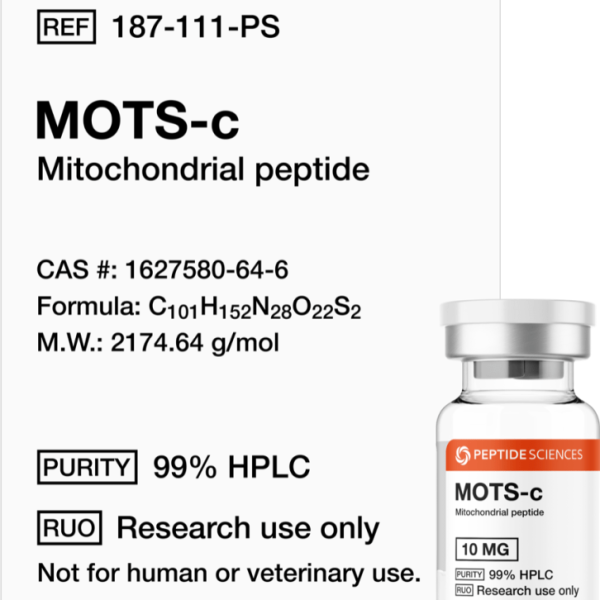
Researchers examining mitochondrial and cellular-aging pathways may compare SS-31 with MOTS-c 10mg mitochondrial research peptide.
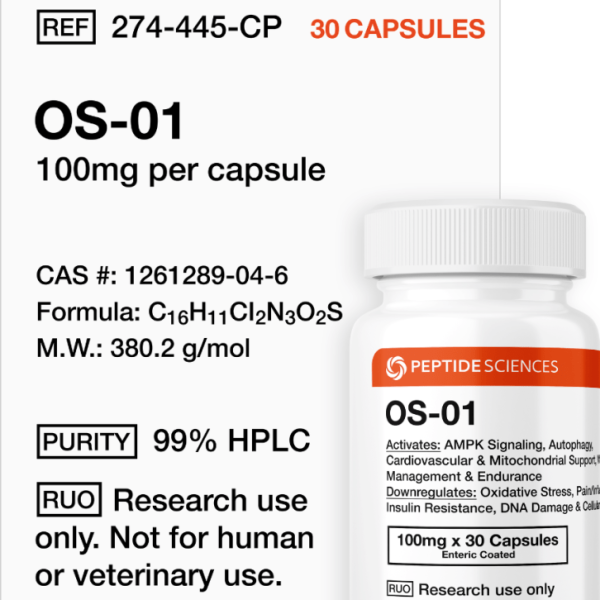
For comparative cellular-aging research, laboratories may also examine OS-01 100mg x 30 research capsules.
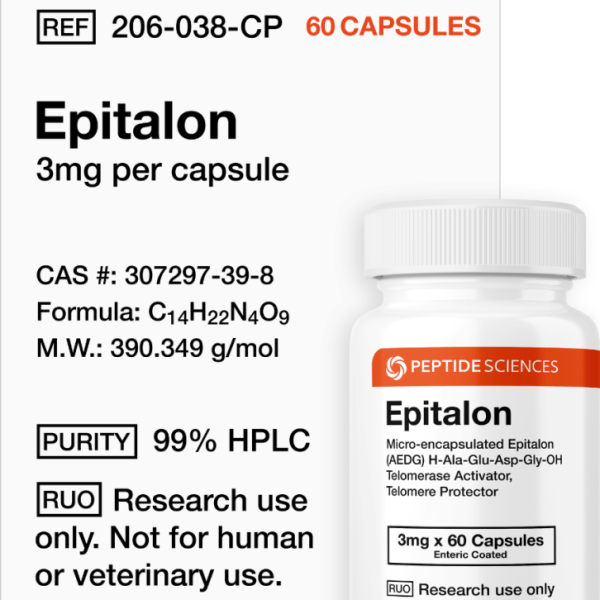
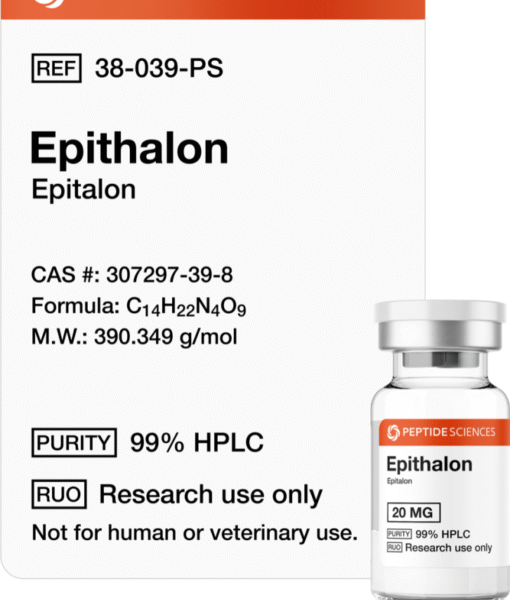
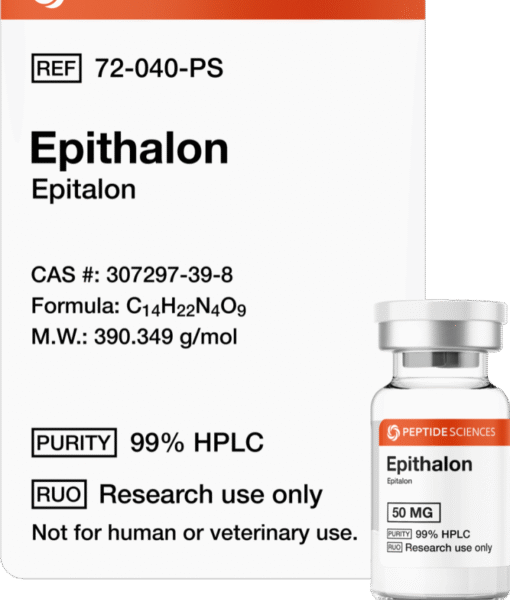
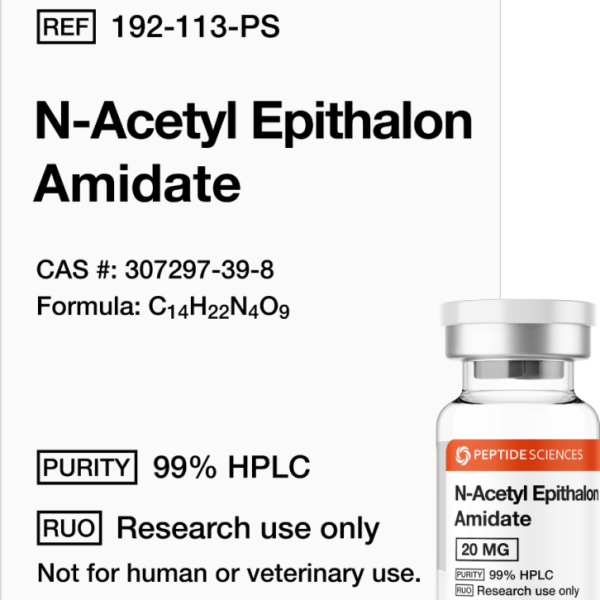
Researchers studying short-peptide longevity and cellular-regulation systems may additionally compare N-Acetyl Epithalon Amidate 20mg.
SS-31 FAQ
What is SS-31?
SS-31 is a synthetic mitochondria-targeted tetrapeptide also known as Elamipretide or MTP-131.
Its sequence is D-Arg-Dmt-Lys-Phe-NH₂.
What is SS-31 peptide?
SS-31 peptide is a four-residue synthetic peptide investigated for its ability to associate with cardiolipin and the inner mitochondrial membrane.
What does SS 31 mean?
SS 31 is an alternative spelling of SS-31 and refers to the same Elamipretide research compound.
What is the SS-31 peptide sequence?
The sequence is:
D-Arg-Dmt-Lys-Phe-NH₂
What does Dmt mean?
Dmt refers to 2′,6′-dimethyltyrosine, a modified aromatic amino-acid residue incorporated into the peptide.
What is SS-31 studied for?
Research areas include:
- Mitochondrial membrane biology
- Cardiolipin interactions
- ATP synthesis
- Electron transport
- Oxidative phosphorylation
- Reactive oxygen species
- Mitochondrial stress
- Bioenergetics
What are SS-31 peptide benefits?
The phrase ss-31 peptide benefits refers here to research characteristics such as mitochondrial targeting, cardiolipin interaction and applicability to bioenergetic studies.
It does not establish therapeutic benefits from the USA Peptide Sciences research material.
What are SS 31 peptide benefits?
SS 31 peptide benefits in laboratory research include its defined mitochondrial-targeting properties and relevance to membrane, cardiolipin, oxidative-stress and ATP-associated studies.
These findings should not be interpreted as human-use claims.
What is SS-31 peptide dosage?
USA Peptide Sciences does not provide a human ss-31 peptide dosage.
Experimental concentrations should be determined according to the research model.
Is SS-31 the same as Elamipretide?
Yes.
SS-31 is widely known as Elamipretide and has also been referred to as MTP-131 and Bendavia.
Is Elamipretide FDA approved?
A prescription formulation of Elamipretide marketed as Forzinity received FDA accelerated approval in 2025 for a specific Barth syndrome indication.
The USA Peptide Sciences material is a separate laboratory research product and is not represented as Forzinity or as an approved pharmaceutical substitute.
What is the molecular formula of SS-31?
The molecular formula is:
C32H49N9O5
What is the molecular weight?
The molecular weight is approximately:
639.80 g/mol
What is the CAS number?
The CAS number associated with Elamipretide is:
736992-21-5
What purity is the product?
According to the supplied specifications, purity is ≥99%, with HPLC and LC-MS used for analytical evaluation.
How should SS-31 be stored?
According to the supplied specifications, lyophilized material should be stored cool, dry and protected from light, with 2°C to 8°C recommended.
Is SS-31 intended for human use?
No.
The USA Peptide Sciences product is supplied strictly for controlled laboratory and in-vitro research.
It is not intended as Forzinity, human medication, veterinary treatment, mitochondrial therapy, anti-aging treatment or clinical diagnostic material.
SS-31 Research Use Disclaimer
SS-31 / Elamipretide research material distributed by USA PEPTIDE SCIENCES is designated strictly for laboratory research purposes only.
References to cardiolipin binding, mitochondrial targeting, ATP production, oxidative stress and bioenergetics describe scientific research pathways and do not constitute therapeutic claims.
This material is not represented as FDA-approved Forzinity, a prescription drug, generic pharmaceutical, compounded alternative or substitute for medical treatment.
It is not intended for human or veterinary consumption, self-administration, therapeutic administration, clinical diagnostics or treatment of any disease or condition.
| grams |
10mg ,35mg ,50mg |
|---|
Related products
Reviews
Clear filtersThere are no reviews yet.