
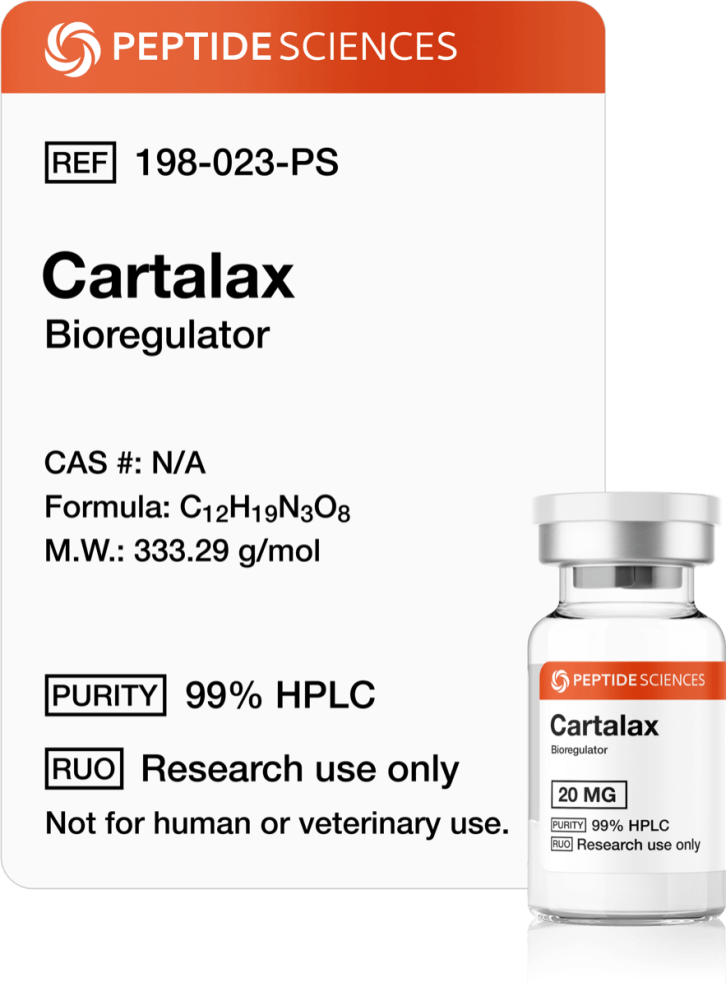
Cartalax Peptide 20 mg (Bioregulator)
$70.00
Cartalax peptide 20mg (AED Ala-Glu-Asp tetrapeptide). Lyophilised powder, 20mg per vial. ≥99% purity by HPLC-MS. Third-party tested Janoshik Analytical. COA verified per batch. USA-manufactured. $65.00 | In stock. For laboratory research use only.
Cartalax peptide 20mg is a premium, high-purity synthetic short-chain bioregulatory peptide engineered for advanced connective tissue restoration, cartilage extracellular matrix, and fibroblast proliferation research. This 20mg configuration provides an exceptionally precise biochemical tool for investigating gene expression regulation, collagen synthesis, and age-associated cellular senescence.
Peptide 20 mg Cartalax – AED Cartilage Research Bioregulator
What Is Cartalax Peptide?
Cartalax peptide is a synthetic tripeptide composed of the amino-acid sequence Ala-Glu-Asp (AED) and investigated within short-chain peptide-bioregulator research.
Cartalax has attracted particular scientific interest in experimental models involving cartilage, chondrocytes, mesenchymal stem-cell differentiation, extracellular-matrix regulation, fibroblast aging and cellular senescence.
At USA PEPTIDE SCIENCES, this peptide 20 mg research format provides qualified laboratories with a standardized lyophilized AED tripeptide for controlled molecular, cellular and musculoskeletal research.
The Cartalax peptide 20 mg configuration is intended exclusively as a laboratory research material and should not be interpreted as a therapeutic, joint-support or regenerative medicine product.
What Is Cartalax 20mg Bioregulator?
Cartalax is chemically represented as:
L-Alanyl-L-Glutamyl-L-Aspartic Acid
or:
Ala-Glu-Asp
with the one-letter sequence:
AED
Its compact three-amino-acid structure places it among the short synthetic peptides investigated within the peptide-bioregulator field.
Researchers using a Cartalax peptide 20 mg vial may investigate how AED influences cellular markers associated with cartilage differentiation, extracellular-matrix regulation, fibroblast aging and senescence-associated signaling.
Published research involving AED has examined effects on both cartilage-related cell systems and fibroblast models, providing a more defensible scientific basis than broad claims of universal tissue regeneration.
Cartalax Peptide Bioregulator Cartilage Research
The phrase cartalax peptide bioregulator cartilage accurately reflects one of the strongest areas of published AED research.
Studies involving aging human mesenchymal stem cells have examined AED in relation to chondrogenic differentiation.
Reported research endpoints include changes in gene expression and protein synthesis involving:
- SOX9
- Aggrecan
- Type II collagen
- COMP
- Chondrogenic differentiation
- Replicative cellular aging
In one experimental model, AED was evaluated at 200 ng/mL and was associated with increased expression of several chondrogenic markers during mesenchymal stem-cell aging.
This makes the Cartalax peptide 20 mg format relevant to laboratories studying cartilage-associated cellular pathways, while avoiding the unsupported claim that the peptide directly “repairs joints.”
Cartalax and Chondrocyte SASP Research
Another area of scientific interest involves the senescence-associated secretory phenotype, commonly abbreviated SASP.
Aging chondrocytes may demonstrate changes in proteins and inflammatory mediators associated with cellular senescence and cartilage degradation.
Published AED research has examined markers including:
- p16
- p21
- p53
- TNF-α
- IL-1α
- Sirt1
- Proliferation-associated proteins
- Apoptosis-associated signaling
Researchers working with a Cartalax peptide 20 mg laboratory material may therefore investigate how AED influences senescence-associated signaling in appropriately designed chondrocyte or connective-tissue models.
These findings remain experimental and should not be presented as proof that Cartalax prevents or treats osteoarthritis.
Cartalax and Chondrogenic Differentiation
Chondrogenesis is the biological process through which cells acquire cartilage-associated characteristics.
Experimental research involving AED has examined its influence on chondrogenic differentiation during replicative aging of human mesenchymal stem cells.
Important research markers include:
SOX9
SOX9 is an important transcription factor in chondrogenic differentiation and regulation of cartilage-associated genes.
Aggrecan
Aggrecan is a major proteoglycan component of cartilage extracellular matrix.
Type II Collagen
Type II collagen is one of the principal structural collagen forms associated with articular cartilage.
COMP
Cartilage oligomeric matrix protein participates in cartilage extracellular-matrix organization.
The Cartalax peptide 20 mg research format may therefore be useful when qualified investigators require sufficient material for repeated chondrogenic assays or comparative peptide-bioregulator studies.
Cartalax Peptide and Fibroblast Research
AED has also been evaluated in experimental fibroblast-aging systems.
Published research has examined its effects on:
- Ki-67
- CD98hc
- Caspase-3
- MMP-9
- Sirtuin-1
- Sirtuin-6
- Collagen I
- Cellular proliferation
- Replicative aging
Studies involving human skin fibroblasts during replicative aging reported changes in sirtuin and collagen-I-associated expression following exposure to AED.
Separate fibroblast-aging research also evaluated AED in relation to MMP-9, proliferation and apoptosis-associated markers.
This gives the Cartalax peptide 20 mg additional relevance to controlled extracellular-matrix and cellular-aging experiments without implying cosmetic rejuvenation in people.
Cartalax Peptide and Extracellular Matrix Research
The extracellular matrix provides structural and biochemical support to cells within cartilage, skin and other connective tissues.
Cartalax research may be relevant to pathways involving:
- Collagen I
- Collagen II
- Aggrecan
- COMP
- Matrix metalloproteinases
- Fibroblast activity
- Chondrocyte phenotype
- Mesenchymal stem-cell differentiation
For researchers purchasing a peptide 20 mg Cartalax vial, these endpoints offer measurable experimental variables for comparing AED with other short-chain bioregulators.
The literature does not support claiming that Cartalax universally increases collagen I, collagen III, elastin and proteoglycans across every tissue type.
Cartalax and Gene-Expression Research
Short peptides within the bioregulator research field have been studied for potential effects on gene expression and chromatin-associated processes.
However, claims regarding Cartalax should remain specific to the available AED data.
Published AED studies have documented changes in expression of genes and proteins associated with:
- Chondrogenesis
- Cellular proliferation
- Senescence
- Extracellular-matrix regulation
- Inflammatory signaling
- Sirtuin pathways
Broader peptide-bioregulator literature has proposed direct peptide–DNA and chromatin-associated mechanisms, but direct nuclear entry and sequence-specific chromatin binding should not automatically be treated as conclusively established mechanisms for this exact Cartalax product.
The peptide 20 mg material is therefore best positioned as a research tool for studying gene-expression changes rather than as a proven direct epigenetic gene switch.
Cartalax Research Specifications
| Property | Specification |
|---|---|
| Compound | Cartalax |
| Chemical sequence | Ala-Glu-Asp |
| One-letter sequence | AED |
| Chemical name | L-Alanyl-L-Glutamyl-L-Aspartic Acid |
| Peptide length | 3 amino acids |
| Molecular formula | C12H19N3O8 |
| Molecular weight | Approximately 333.29 g/mol |
| Research class | Synthetic short-chain peptide bioregulator |
| Quantity | 20mg |
| Form | Lyophilized research peptide |
| Purity | ≥99% according to supplied specifications |
| Testing | HPLC and Mass Spectrometry |
| Research areas | Chondrocytes, cartilage, fibroblasts, extracellular matrix, cellular aging |
| Intended use | Laboratory and in-vitro research only |
A CAS number is intentionally not added to this page unless confirmed by the manufacturer’s batch-specific documentation.
Peptide 20 mg Cartalax Quality Standards
At USA PEPTIDE SCIENCES, research-material identity and reproducibility are central to our quality standards.
Each Cartalax peptide 20 mg production lot undergoes analytical evaluation according to the supplied specifications.
High-Performance Liquid Chromatography (HPLC) is used to verify a stated purity profile of 99% or greater, while Mass Spectrometry (MS) supports molecular identity confirmation.
A batch-specific Certificate of Analysis accompanies each order according to the supplied product information.
Laboratories should use the applicable COA when assessing:
- Purity
- Molecular identity
- Lot consistency
- Analytical characteristics
- Experimental reproducibility
Claims of complete absence of specific contaminants, including heavy metals, should only be made when the corresponding batch documentation confirms that those tests were performed.
Peptide 20 mg Cartalax Storage and Handling
According to the supplied product specifications, the lyophilized Cartalax peptide 20 mg vial should be maintained at -20°C for long-term laboratory storage.
Prior to controlled laboratory experimentation, an appropriate research-grade diluent may be selected according to the experimental protocol.
Following research reconstitution, the supplied storage specification calls for refrigeration between 2°C and 8°C.
Researchers should use gentle mixing rather than aggressive shaking or mechanical agitation.
These storage details relate exclusively to laboratory material handling and are not administration instructions.
Buy Cartalax for Laboratory Research
The keyword buy Cartalax reflects transactional research-supply intent.
Qualified laboratories looking to buy Cartalax can source the USA Peptide Sciences Cartalax peptide 20 mgconfiguration for controlled scientific research involving:
- Chondrocyte biology
- Cartilage-associated pathways
- Cellular senescence
- Fibroblast models
- Chondrogenic differentiation
- Extracellular-matrix biology
- Short-chain peptide research
Buying Cartalax research material does not imply approval for human administration, joint treatment or regenerative medical use.
Related Cartalax Peptide Research Compounds
Researchers evaluating Cartalax peptide 20 mg alongside other aging, cellular-regulation or bioregulator research systems may also explore:
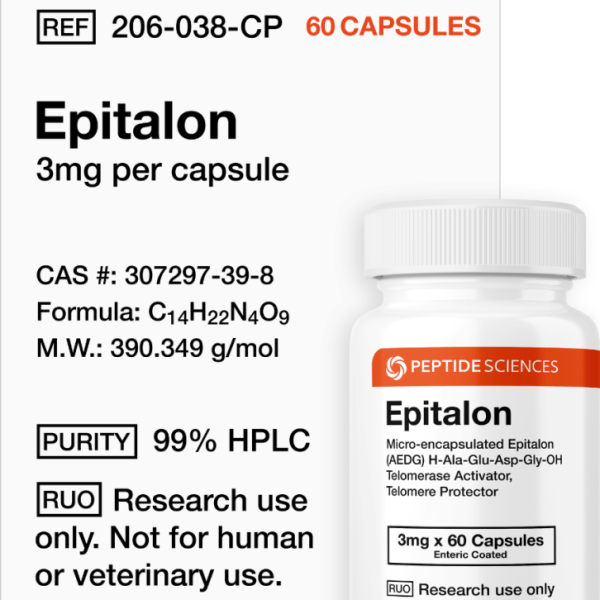
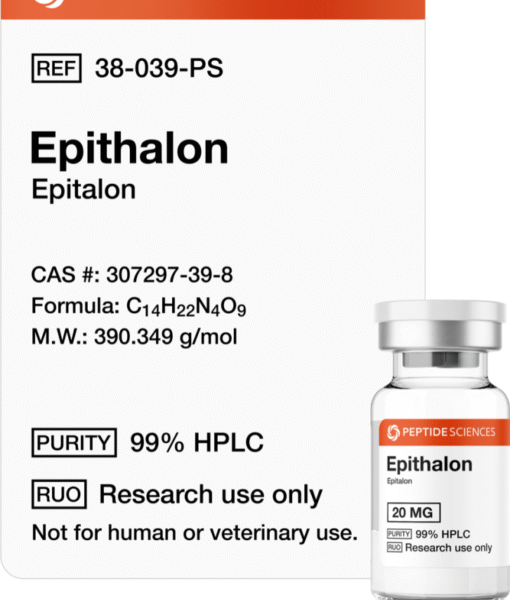
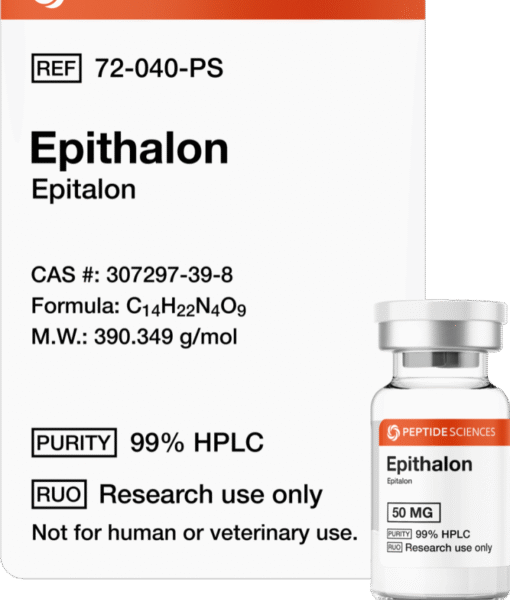
- Cartalax peptide comparison – Epithalon Epitalon 50mg — related short-peptide material for comparative cellular-aging and peptide-regulation research.
- Cartalax peptide comparison – N-Acetyl Epithalon Amidate 20mg — modified short-chain research peptide for comparative structural and cellular investigations.
- Cartalax peptide comparison – OS-01 100mg Research Capsules — distinct cellular-aging research material for comparative senescence-related studies.
Researchers can also review Cartalax AED peptide and cartilage research on PubMed for literature involving chondrocytes, mesenchymal stem cells, fibroblasts and extracellular-matrix-associated markers.
Cartalax FAQ
What is Cartalax peptide?
Cartalax is a synthetic tripeptide consisting of:
Ala-Glu-Asp (AED)
It is investigated primarily in cartilage, chondrocyte, fibroblast, extracellular-matrix and cellular-aging research.
Is Cartalax a tripeptide?
Yes.
Cartalax contains three amino-acid residues:
- Alanine
- Glutamic acid
- Aspartic acid
What is Cartalax peptide bioregulator cartilage research?
The phrase cartalax peptide bioregulator cartilage refers to studies examining AED in cartilage-associated experimental systems.
Published research has investigated AED in chondrocyte aging and chondrogenic differentiation models.
What does peptide 20 mg mean for Cartalax?
The phrase peptide 20 mg refers to the amount of Cartalax research material supplied in the vial.
It does not indicate a human dose or treatment protocol.
Is peptide 20 mg a Cartalax dosage?
No.
For this product, peptide 20 mg describes the total laboratory research quantity.
USA Peptide Sciences does not provide Cartalax human dosing or administration recommendations.
What is Cartalax studied for?
Cartalax research includes:
- Cartilage biology
- Chondrocytes
- Chondrogenic differentiation
- SOX9
- Aggrecan
- Collagen II
- COMP
- Fibroblast aging
- Collagen I
- Sirtuin signaling
- SASP-associated pathways
- Extracellular-matrix regulation
Does Cartalax stimulate cartilage formation?
AED has been reported to influence expression of chondrogenic markers such as SOX9, aggrecan, type II collagen and COMP in experimental mesenchymal stem-cell models.
This is an experimental cellular finding and does not establish cartilage regeneration in humans.
Does Cartalax increase collagen?
Published fibroblast research has reported increased collagen I-associated expression following AED exposure in a replicative-aging model.
Chondrogenic research has also examined type II collagen.
Those findings are model-specific and should not be generalized into a human collagen-enhancement claim.
Does Cartalax affect chondrocyte aging?
Yes, AED has been investigated in experimental chondrocyte SASP models involving proteins and cytokines associated with cellular aging.
This remains preclinical research.
Does Cartalax suppress SASP?
Studies have investigated how AED influences several SASP-associated markers in chondrocyte models.
It is more accurate to describe Cartalax as a peptide being studied for modulation of senescence-associated markersrather than as a universal SASP inhibitor.
Does Cartalax directly bind DNA?
Direct peptide–DNA interaction has been proposed for several short peptide bioregulators.
However, strong direct evidence demonstrating sequence-specific DNA or chromatin binding by AED itself is limited.
USA Peptide Sciences therefore does not present direct Cartalax-DNA binding as a conclusively established mechanism.
Does Cartalax enter the cell nucleus?
Claims of direct nuclear penetration are common in descriptions of peptide bioregulators, but this should not be treated as established for this exact Cartalax research material without direct transport data.
Gene-expression changes can be studied experimentally without assuming a specific nuclear transport mechanism.
What is the molecular formula of Cartalax?
The molecular formula of Ala-Glu-Asp is:
C12H19N3O8
What is the molecular weight of Cartalax?
The molecular weight is approximately:
333.29 g/mol
Can qualified laboratories buy Cartalax?
Yes.
Qualified researchers searching buy Cartalax can obtain the Cartalax peptide 20 mg configuration from USA Peptide Sciences strictly for laboratory research.
Is Cartalax used to treat osteoarthritis?
No.
Although AED has been investigated in osteoarthritis-related and chondrocyte models, the USA Peptide Sciences product is not an approved treatment for osteoarthritis or any joint disorder.
What purity is Cartalax 20mg?
According to the supplied specifications, Cartalax has a purity profile of 99% or greater, with HPLC and Mass Spectrometry used for analytical evaluation.
Does Cartalax include a Certificate of Analysis?
Yes.
According to the supplied product information, a batch-specific Certificate of Analysis accompanies each research order.
How should Cartalax be stored?
According to the supplied specifications, the lyophilized Cartalax peptide 20 mg material should be stored at -20°C.
Following controlled laboratory preparation into solution, the supplied storage range is 2°C to 8°C.
What related compounds can researchers compare with Cartalax?
Researchers can compare Cartalax with Epithalon 50mg, N-Acetyl Epithalon Amidate 20mg and OS-01 research capsulesin appropriately designed cellular-aging and peptide-regulation studies.
Where can researchers find Cartalax studies?
Researchers can review Cartalax peptide bioregulator cartilage studies on PubMed for published research involving AED, chondrocytes, mesenchymal stem cells, fibroblasts, collagen and cellular senescence.
Is Cartalax peptide 20 mg intended for human use?
No.
The Cartalax peptide 20 mg material supplied by USA Peptide Sciences is strictly for laboratory and in-vitro research.
It is not intended for human or veterinary consumption, joint treatment, cartilage repair, orthopedic therapy, anti-aging treatment, injection, clinical diagnostics or therapeutic administration.
Peptide 20 mg Cartalax Research Use Disclaimer
The Cartalax Peptide 20mg Bioregulator distributed by USA PEPTIDE SCIENCES is designated strictly for laboratory research purposes only.
The term peptide 20 mg throughout this page identifies the supplied laboratory quantity and does not represent a human dosage, clinical protocol or treatment recommendation.
Cartalax is not intended for human or veterinary consumption, joint or cartilage treatment, regenerative therapy, anti-aging use, direct clinical diagnostics or therapeutic administration.
All handling, measurement and experimental evaluation must be conducted exclusively by qualified scientific professionals within an appropriate controlled research environment.
3 reviews for Cartalax Peptide 20 mg (Bioregulator)
Clear filtersRelated products
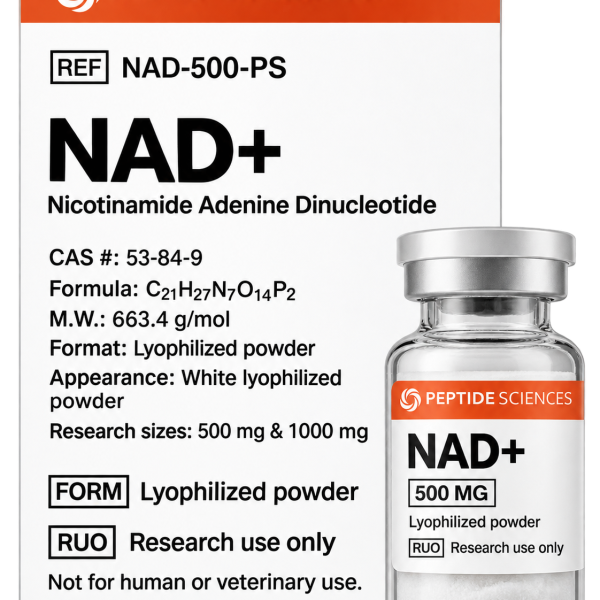
NAD+ Supplement 500mg/1000mg
Price range: $54.99 through $89.99
Xavier –
Terry –
I had a fairly disappointing experience with this purchase. The website was easy to use and I received my order within a reasonable timeframe, but when I reconstituted the Cartalax, I noticed some particulate matter that did not dissolve completely, which made me question the purity and quality of the peptide. I reached out to support and they assured me it was normal, but it did not inspire confidence. As for the results, I used the product for the full cycle and honestly cannot say I noticed any real difference in my joint function, mobility, or overall connective tissue health. I understand that bioregulators are subtle and work at the genetic level, but the lack of any noticeable benefits was disappointing. I might try a different vendor or a different approach to joint support next time because this just did not work for me.
Fern –
I am honestly not sure this Cartalax lived up to the investment for me. The ordering process was fine and the product arrived quickly with decent packaging, but when I contacted support with a question about whether I should run it alone or stack it, I received a fairly generic response that did not really address my concerns. In terms of the peptide itself, I used the entire 20mg vial over a few weeks and noticed only marginal improvements in joint comfort, nothing that I could definitively attribute to the product rather than just natural variation. I understand that bioregulators work subtly at the gene-expression level, but for the cost, I expected more noticeable benefits. I am giving three stars because the shipping and packaging were fine, but the product did not deliver meaningful results for me and the support was underwhelming.